Home Workshop
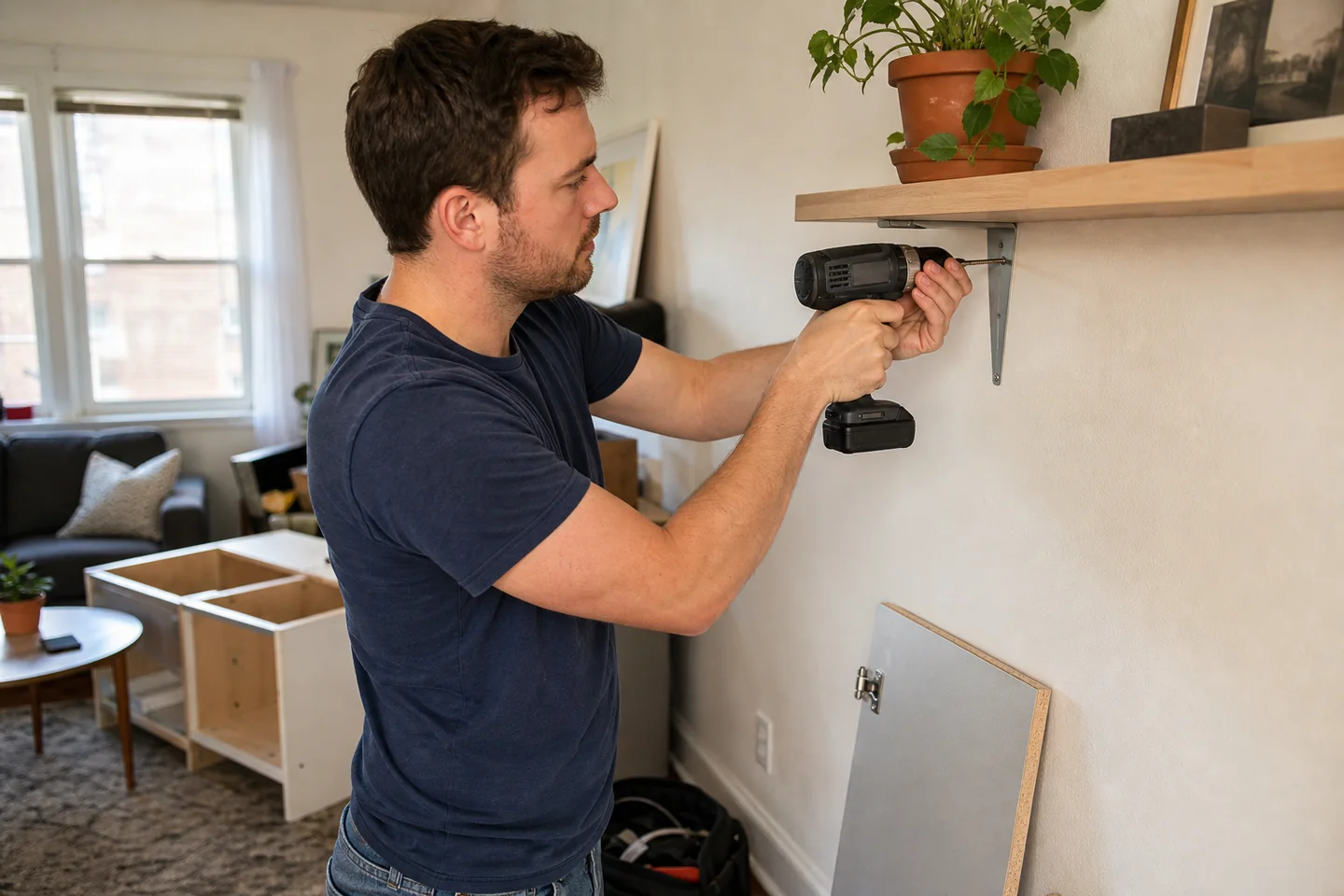
How to Choose a Cordless Drill for Everyday Home Repairs
A compact drill should make shelves, hinges, and weekend repairs easier without feeling oversized in your hand.
Read buying guideSearch real-life buying advice across home workshop, garage, auto, outdoor, and everyday tools.
A compact drill should make shelves, hinges, and weekend repairs easier without feeling oversized in your hand.
Read buying guide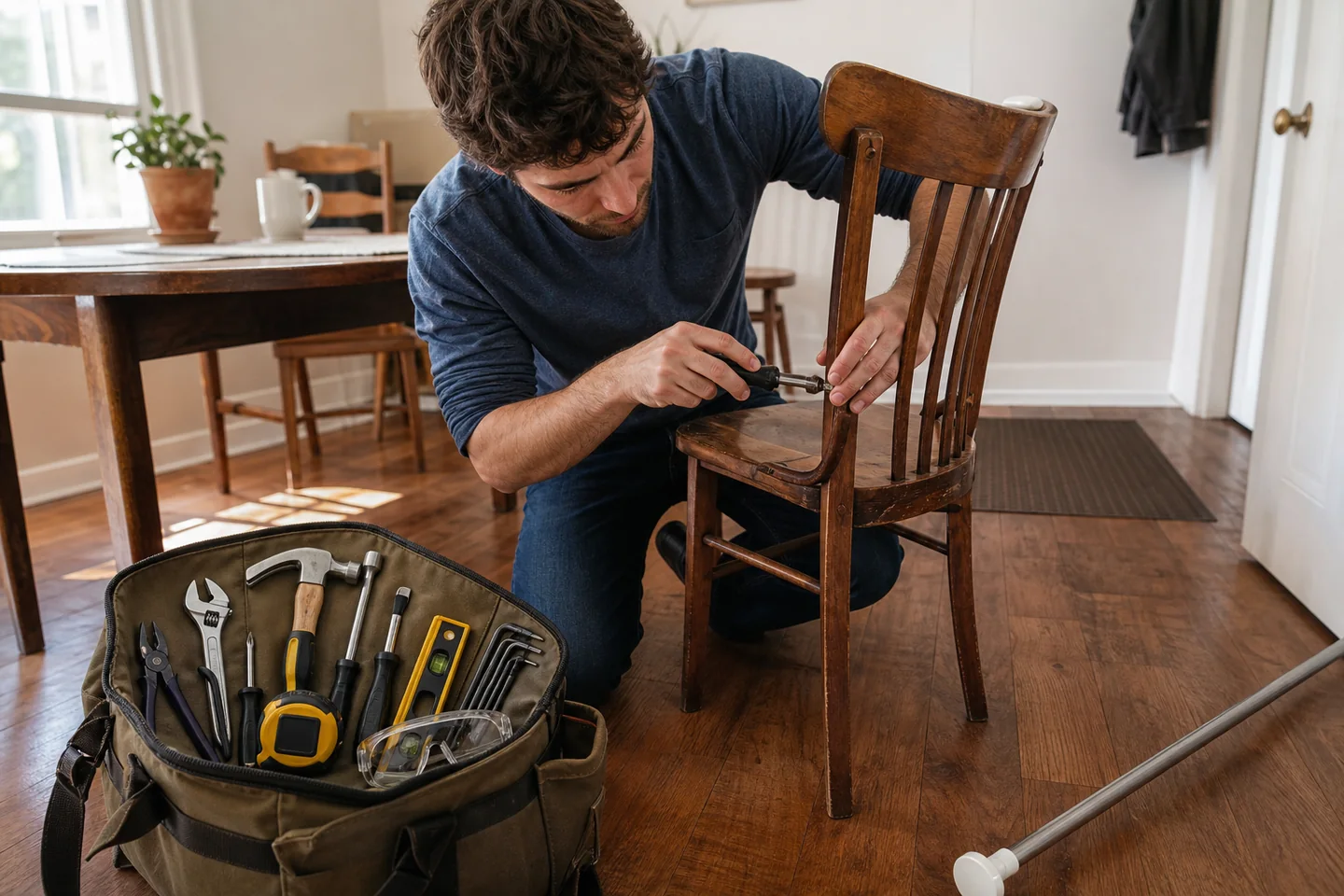
A focused starter kit solves more real problems than a giant case filled with unfamiliar pieces.
Read buying guide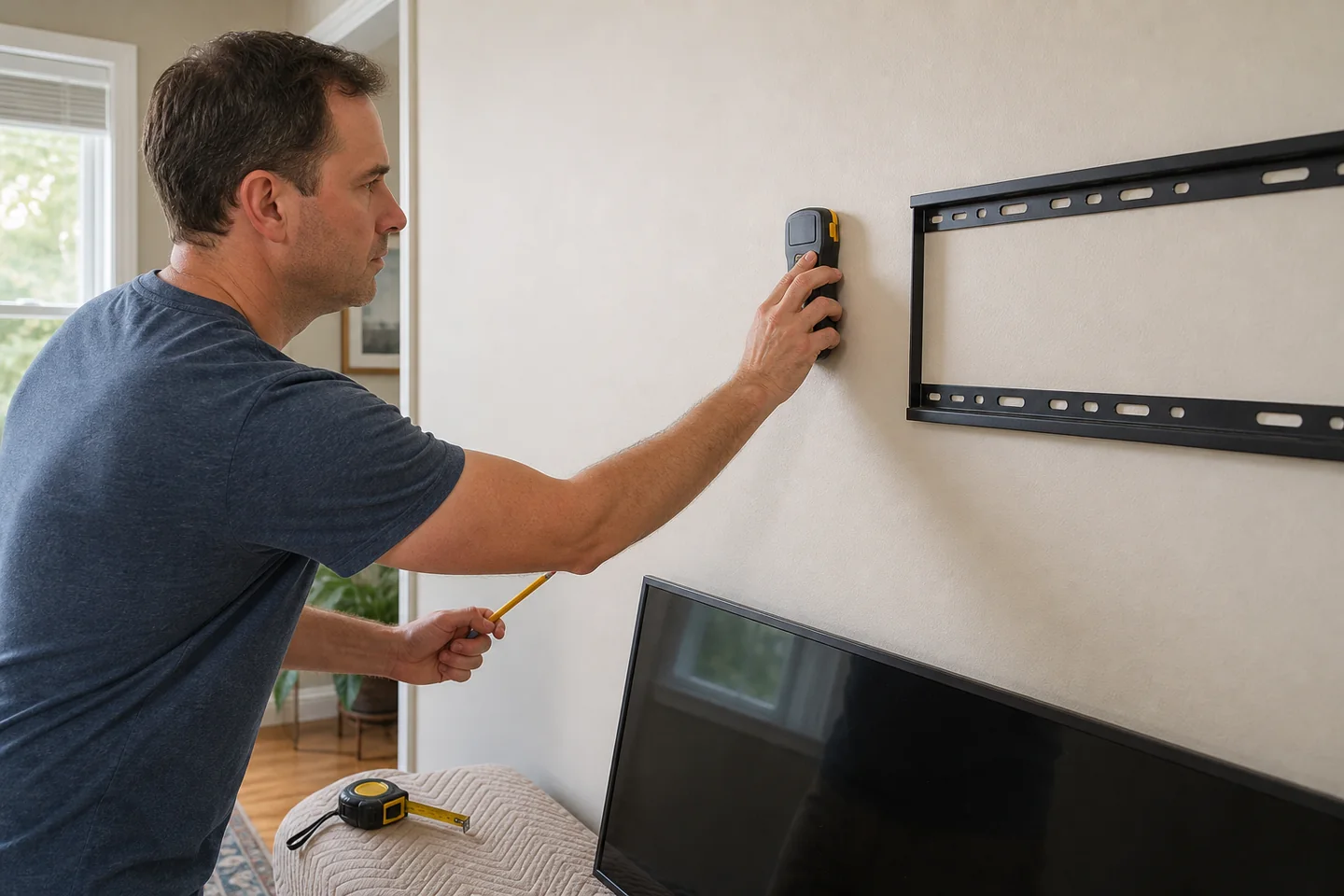
A stud finder is useful when it supports a careful mounting plan rather than replacing one.
Read buying guide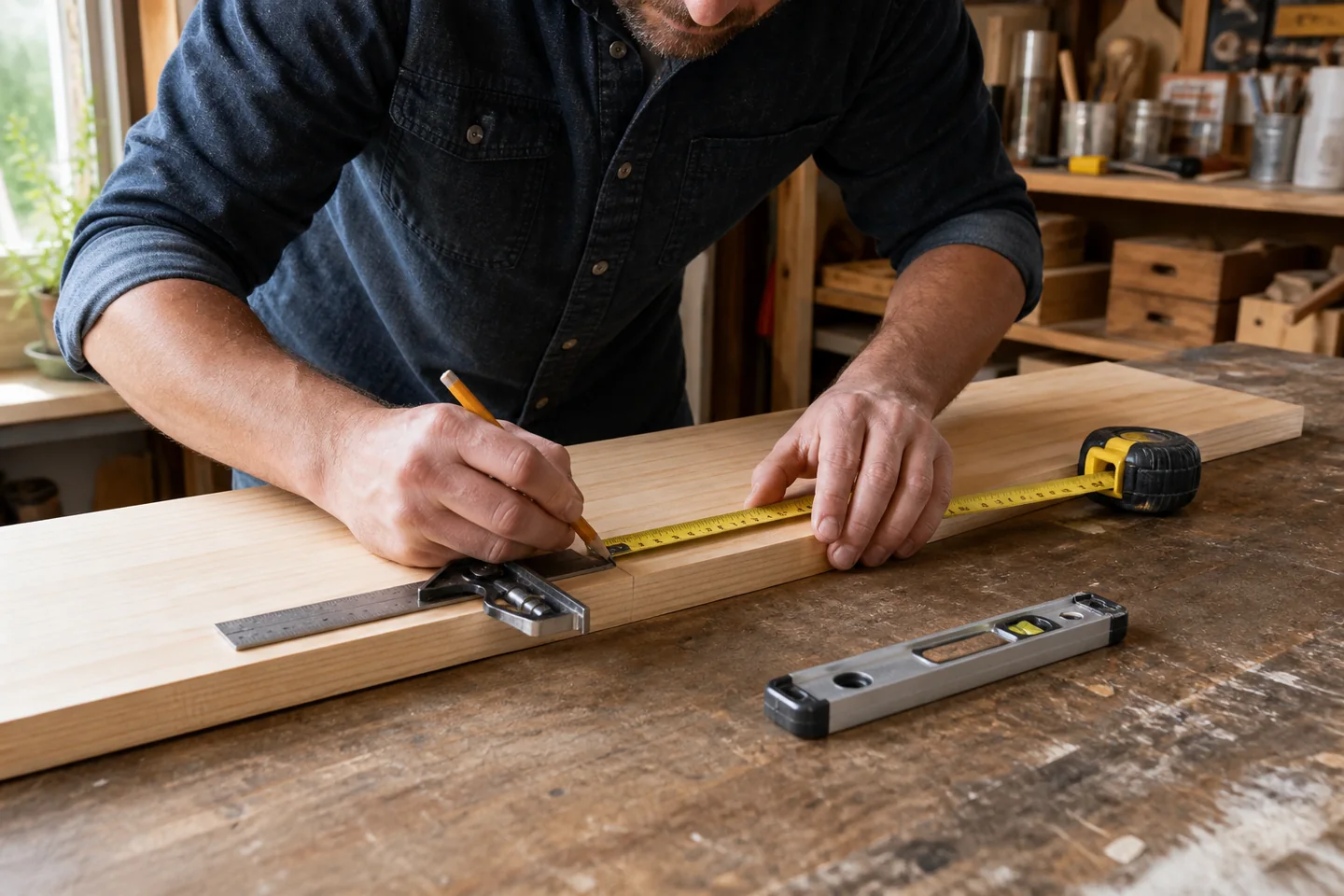
A clean cut begins with a reliable reference line and a measuring tool you can read without guessing.
Read buying guide
A visible horizontal and vertical reference can turn repeated measuring into a calmer layout process.
Read buying guide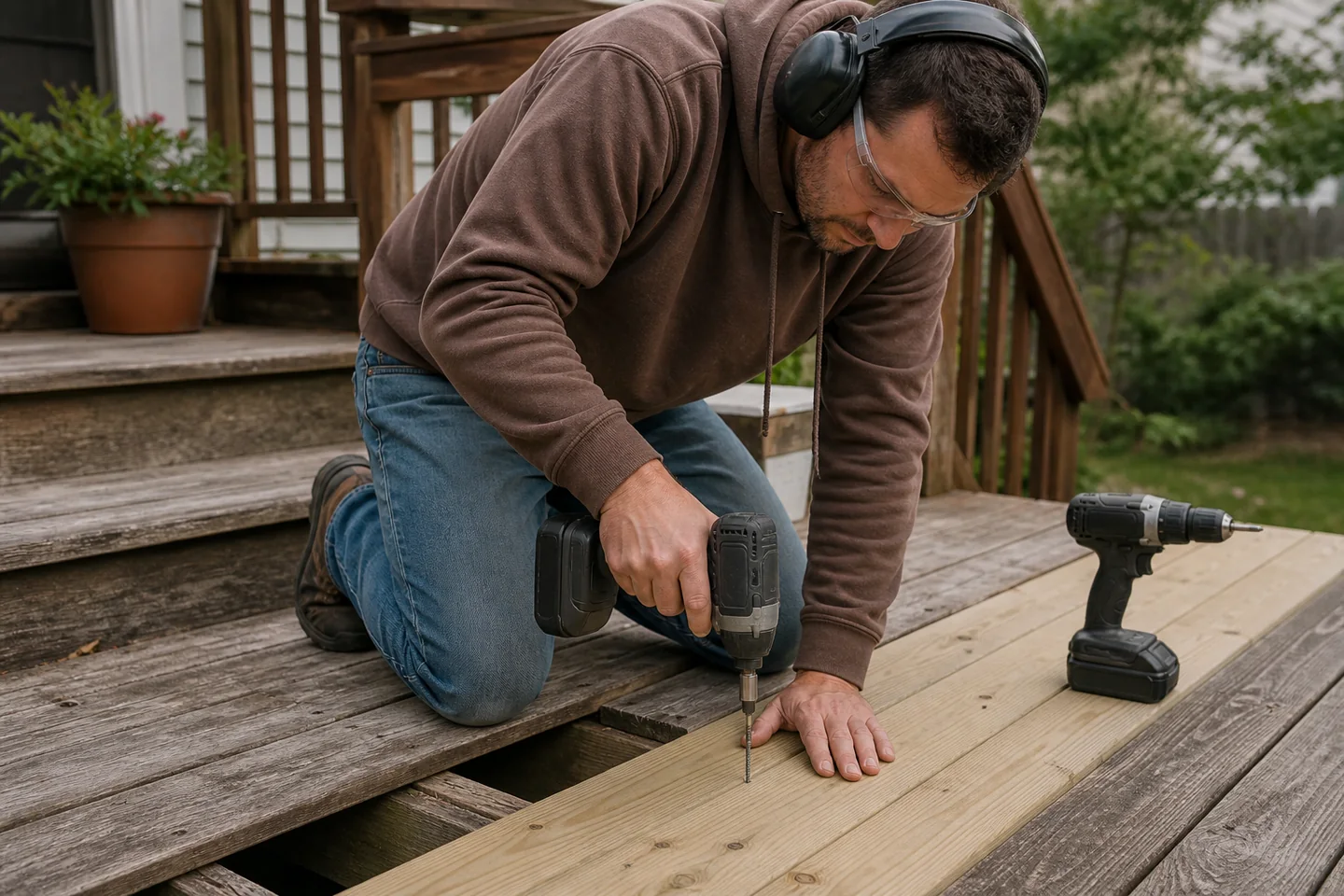
Repeated long fasteners are where a dedicated impact driver can save effort and keep a drill free for pilot holes.
Read buying guide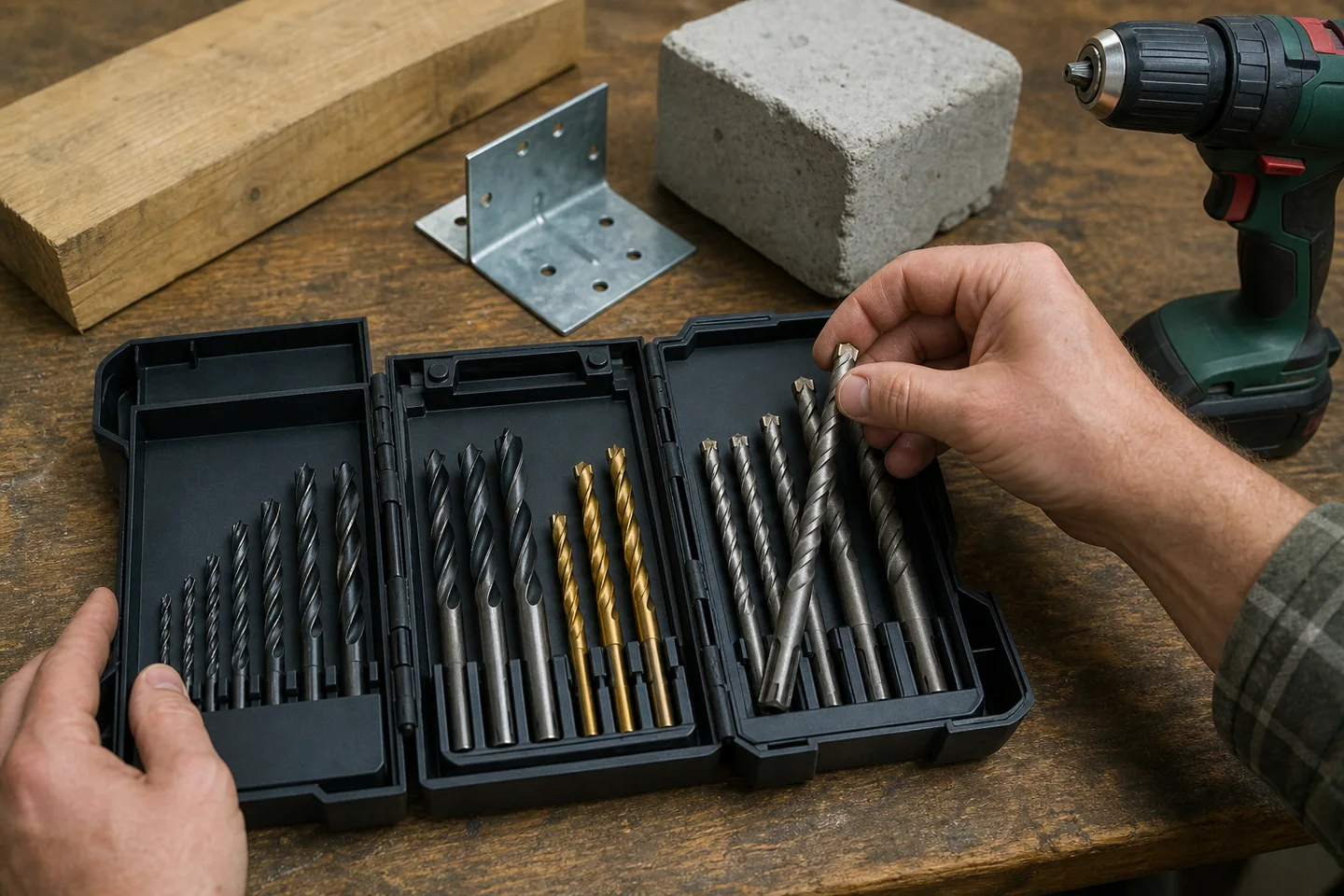
The correct bit and anchor matter more than owning a large unlabeled assortment.
Read buying guide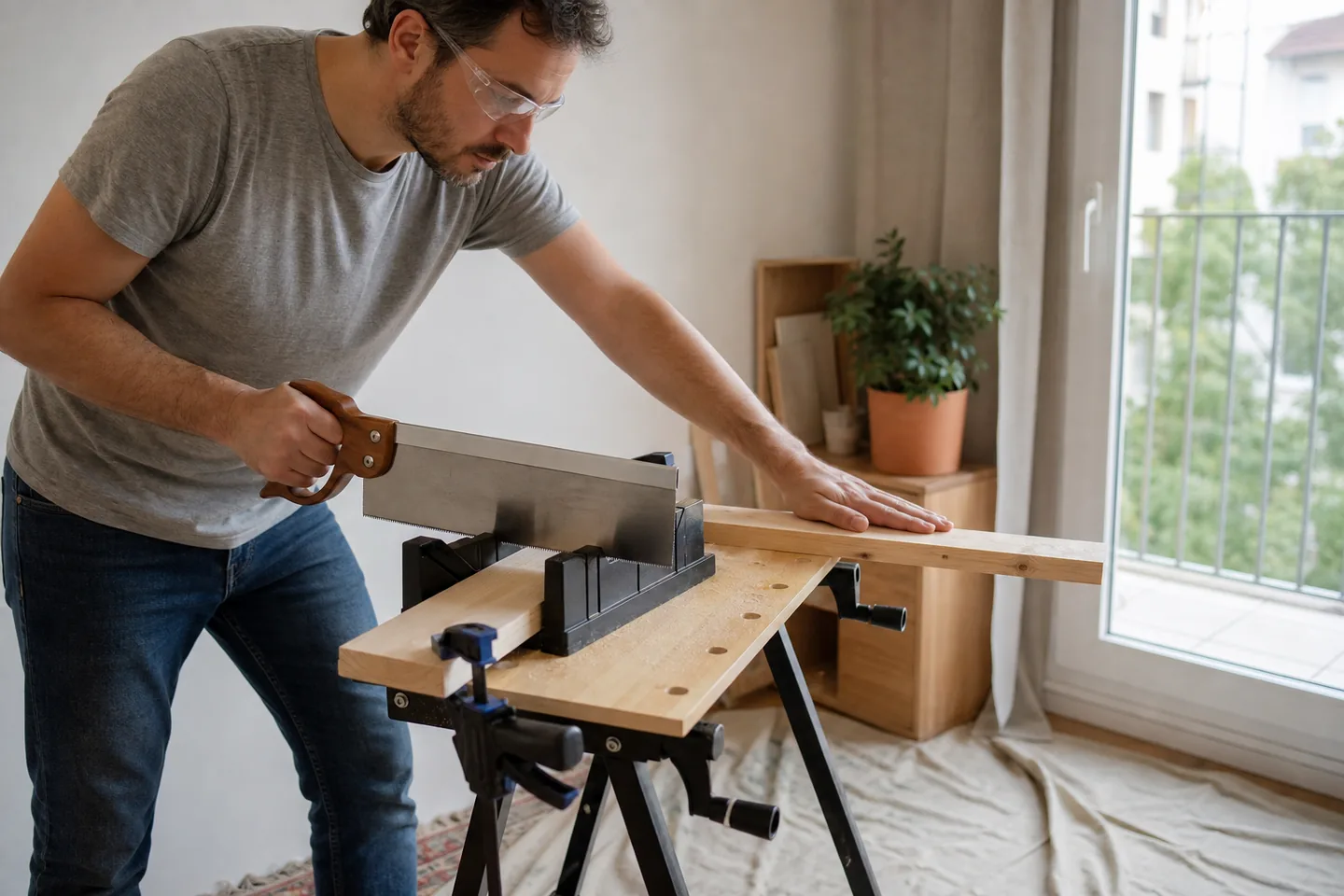
One shelf board or garden stake often needs control and simplicity more than a powered setup.
Read buying guide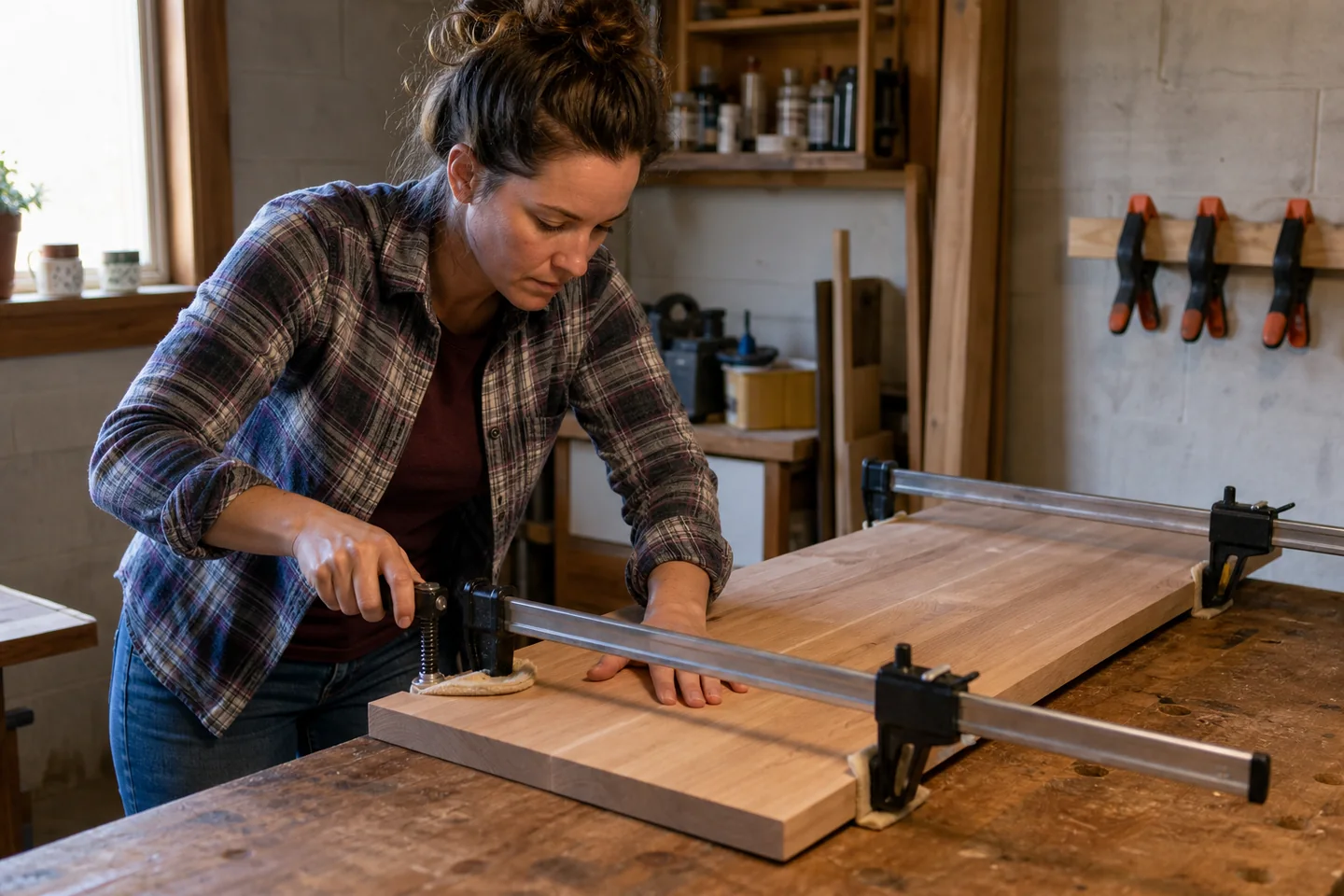
A few well-sized clamps provide the extra hands needed for glue-ups, alignment, and temporary holding.
Read buying guide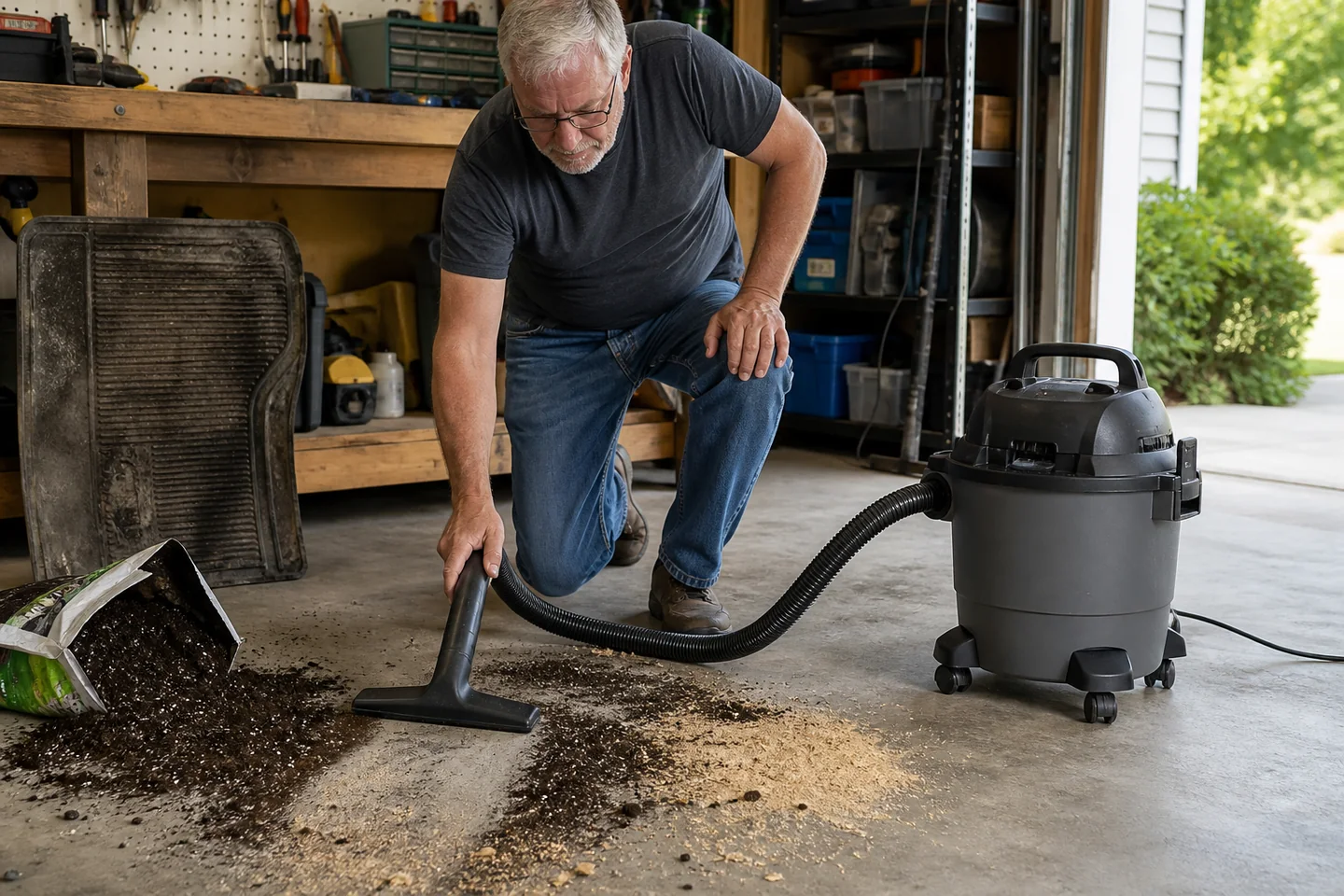
The right wet/dry vacuum handles real messes while fitting the shelf, hose route, and cleanup routine.
Read buying guide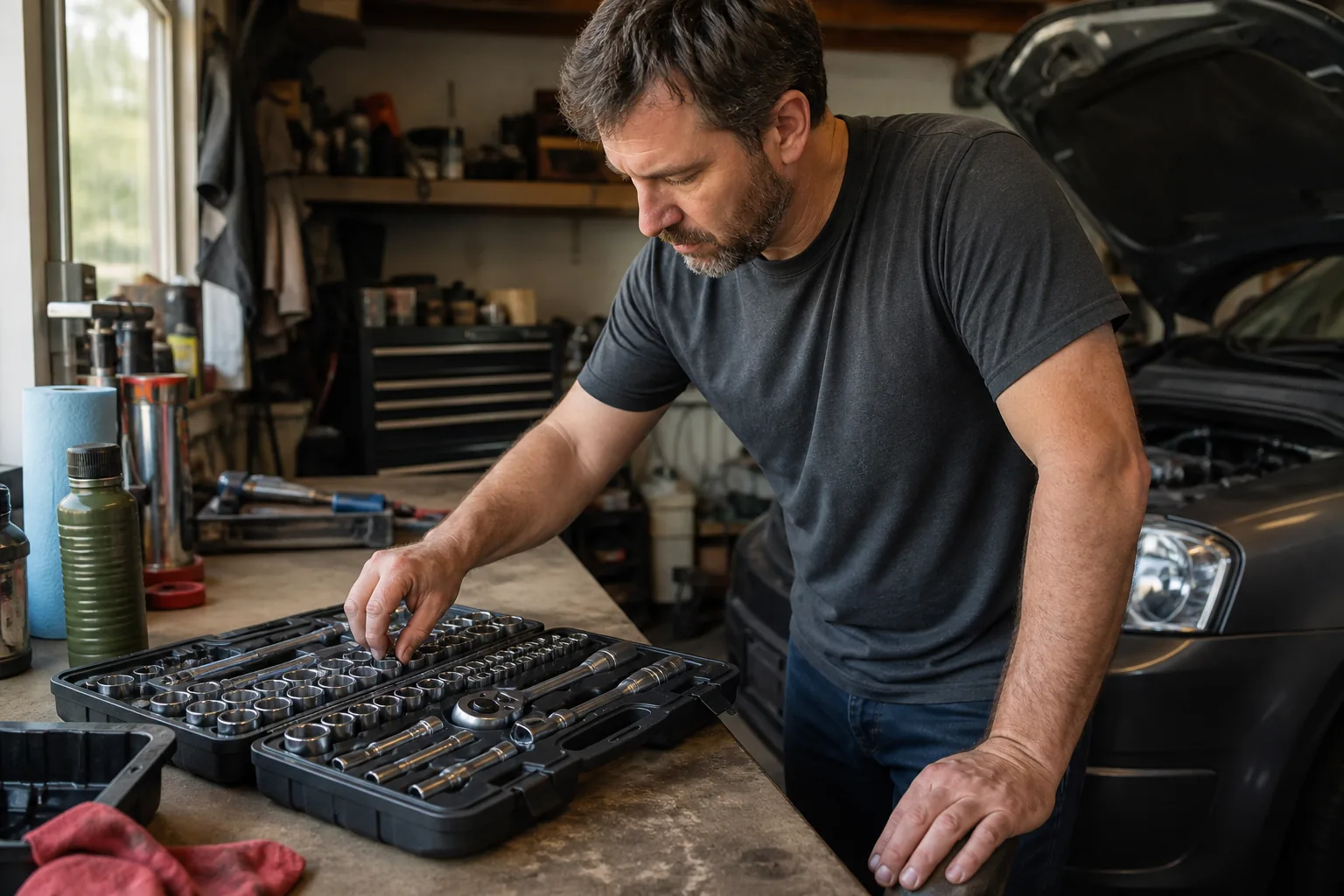
Clear markings and a sensible size range matter more than a case packed with duplicates.
Read buying guide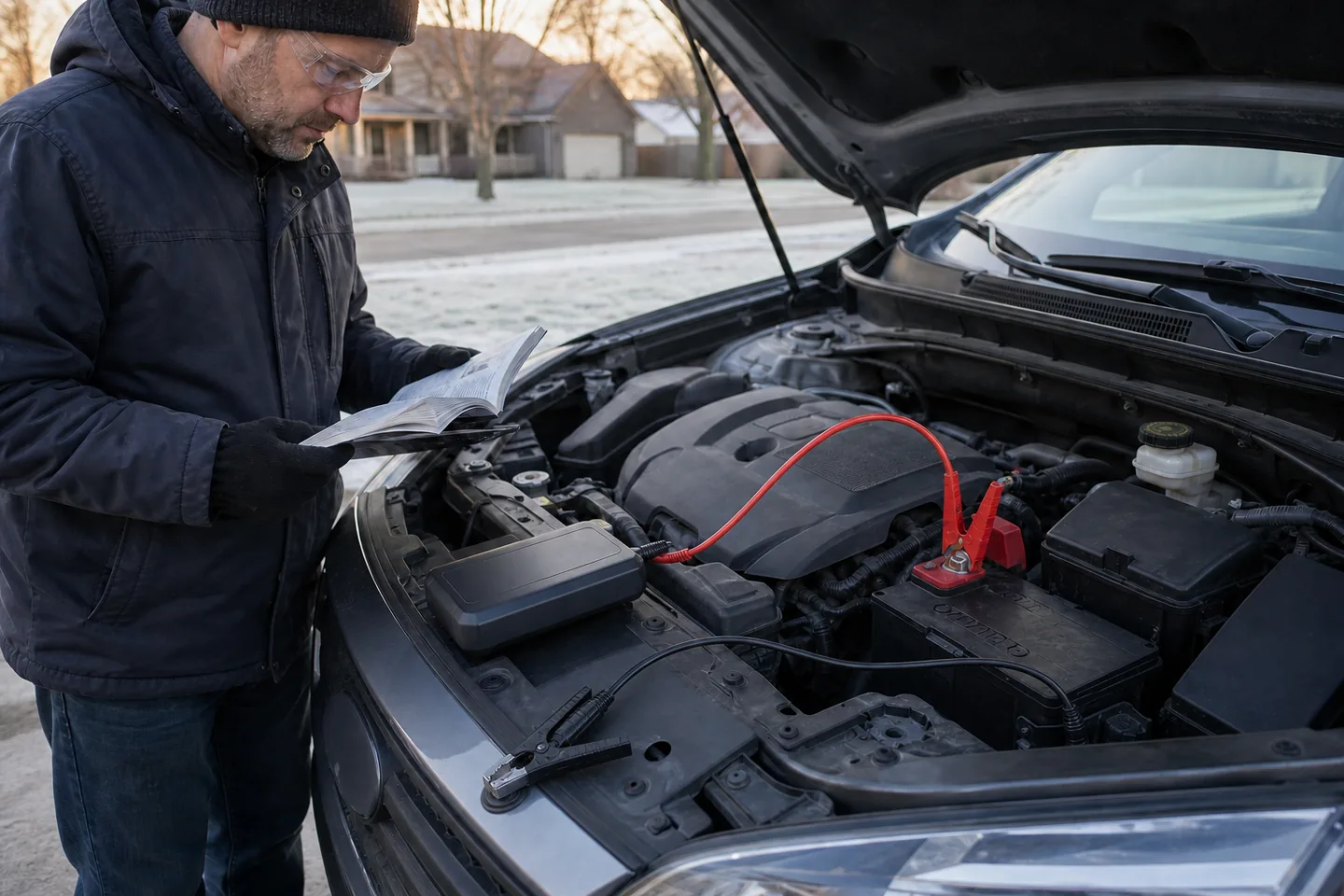
A jump starter is useful only when it matches the engine, stays charged, and can be connected safely under pressure.
Read buying guide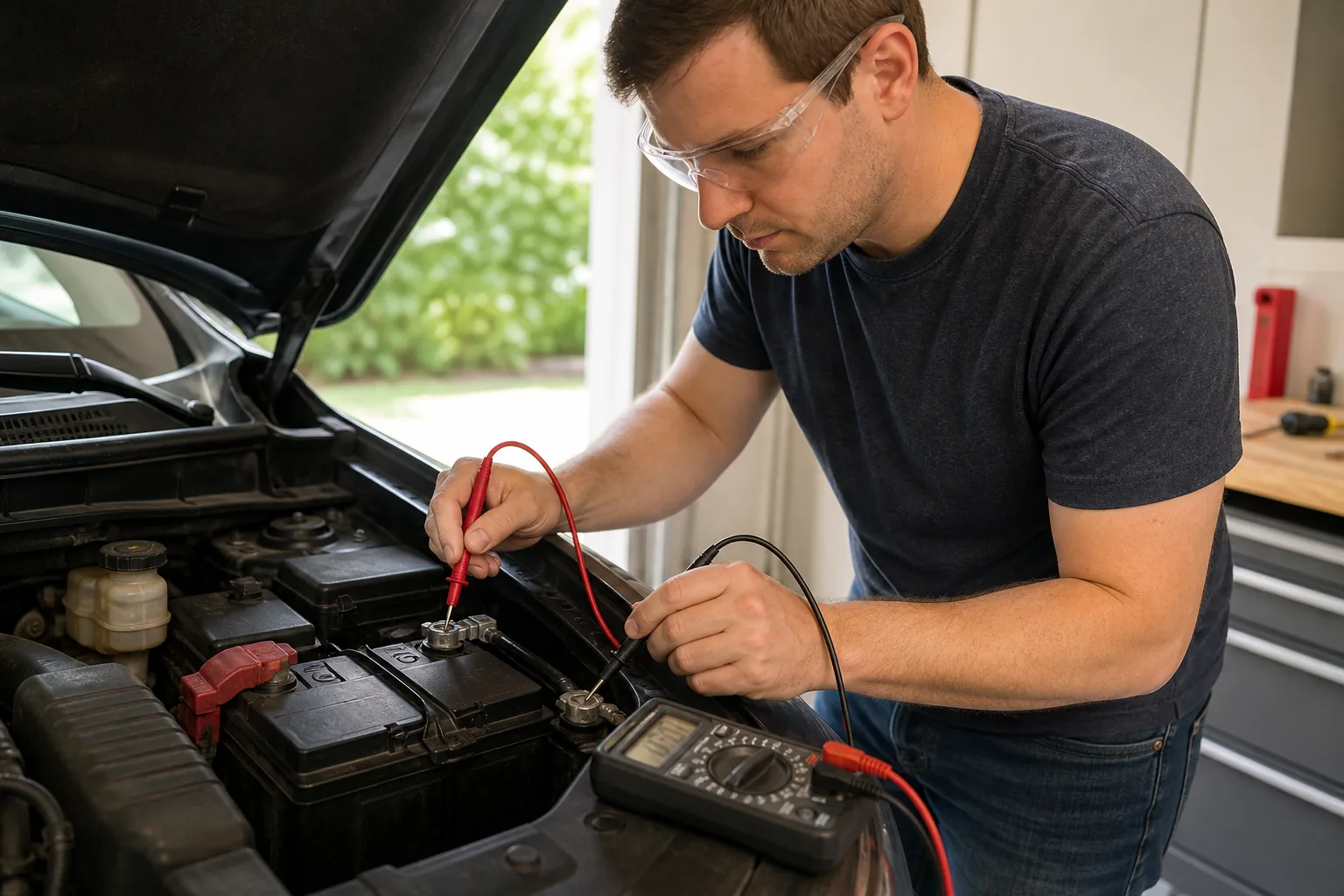
A clear auto-ranging meter can answer basic battery and continuity questions without pretending to replace electrical training.
Read buying guide
A load needs the correct working limit, sound anchor points, and a restraint plan—not just a strap that reaches.
Read buying guide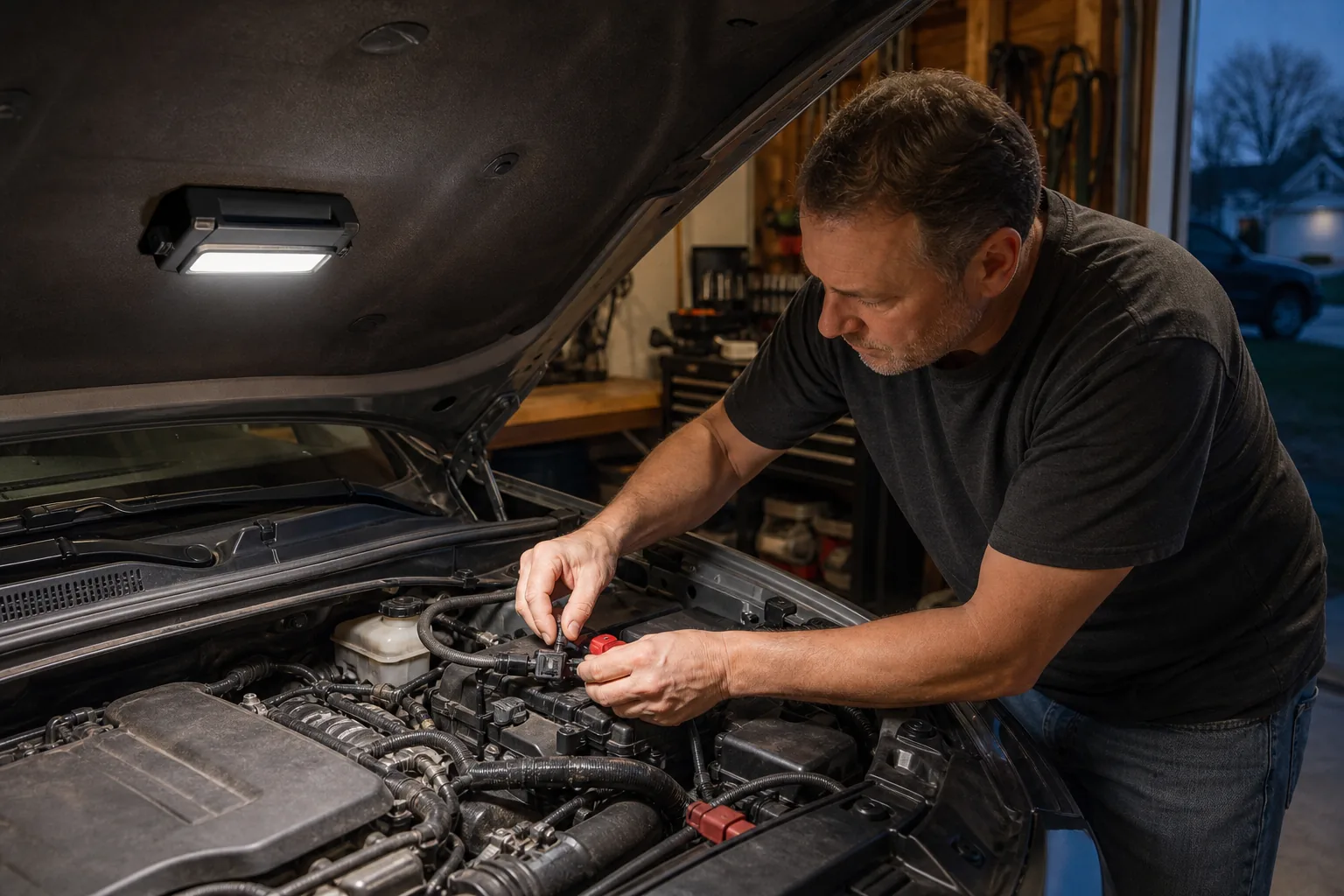
Wide, positionable light is often more useful than a narrow beam with a dramatic lumen claim.
Read buying guide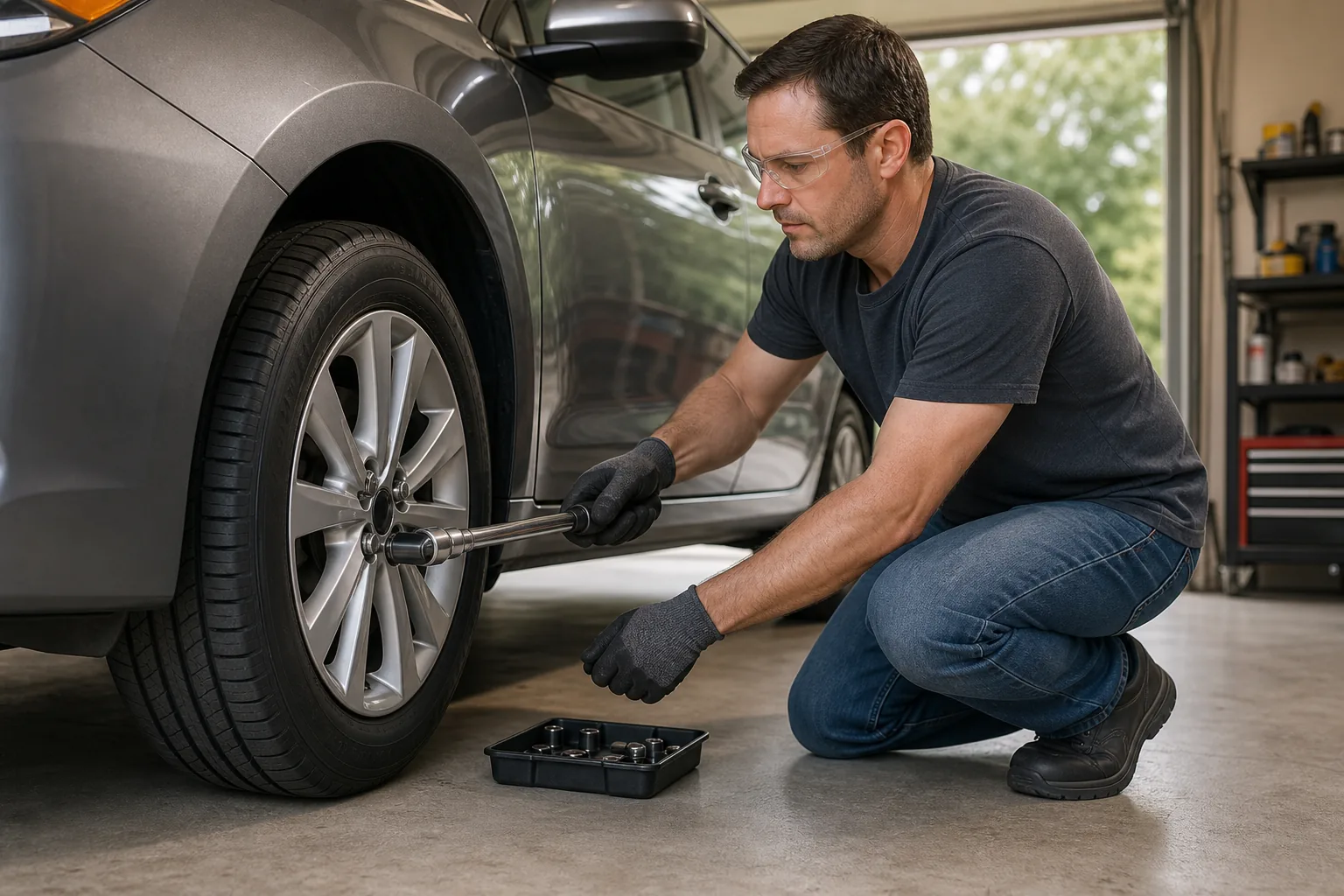
Specified fasteners need measured tightening, not a guess based on handle effort.
Read buying guide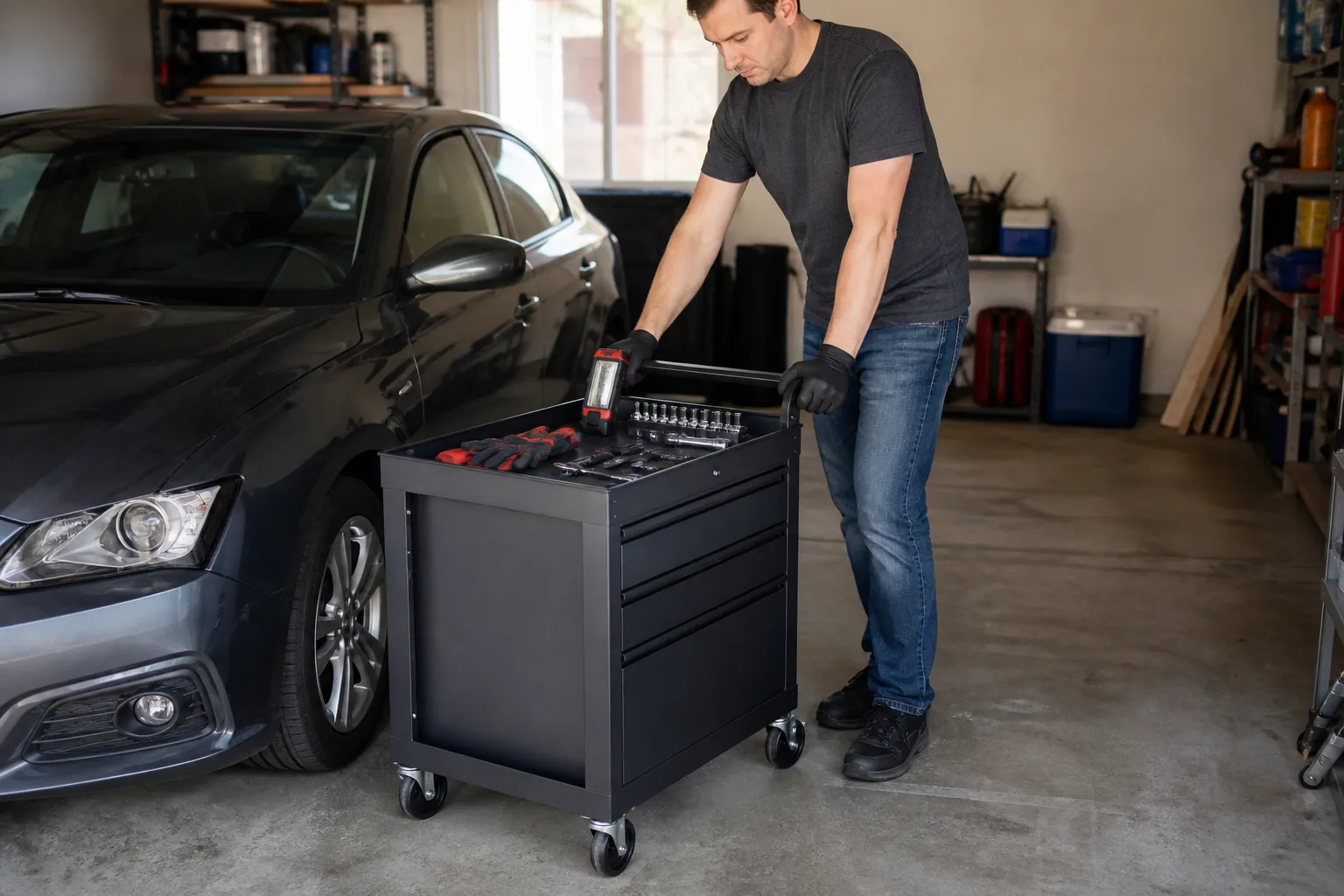
Mobile storage should shorten the walk to a tool without becoming a permanent obstacle.
Read buying guide
Long storage calls for a compatible maintainer and a connection plan that follows battery and vehicle instructions.
Read buying guide
A stable rolling seat can make repeated low work more comfortable when the floor and clearance are suitable.
Read buying guide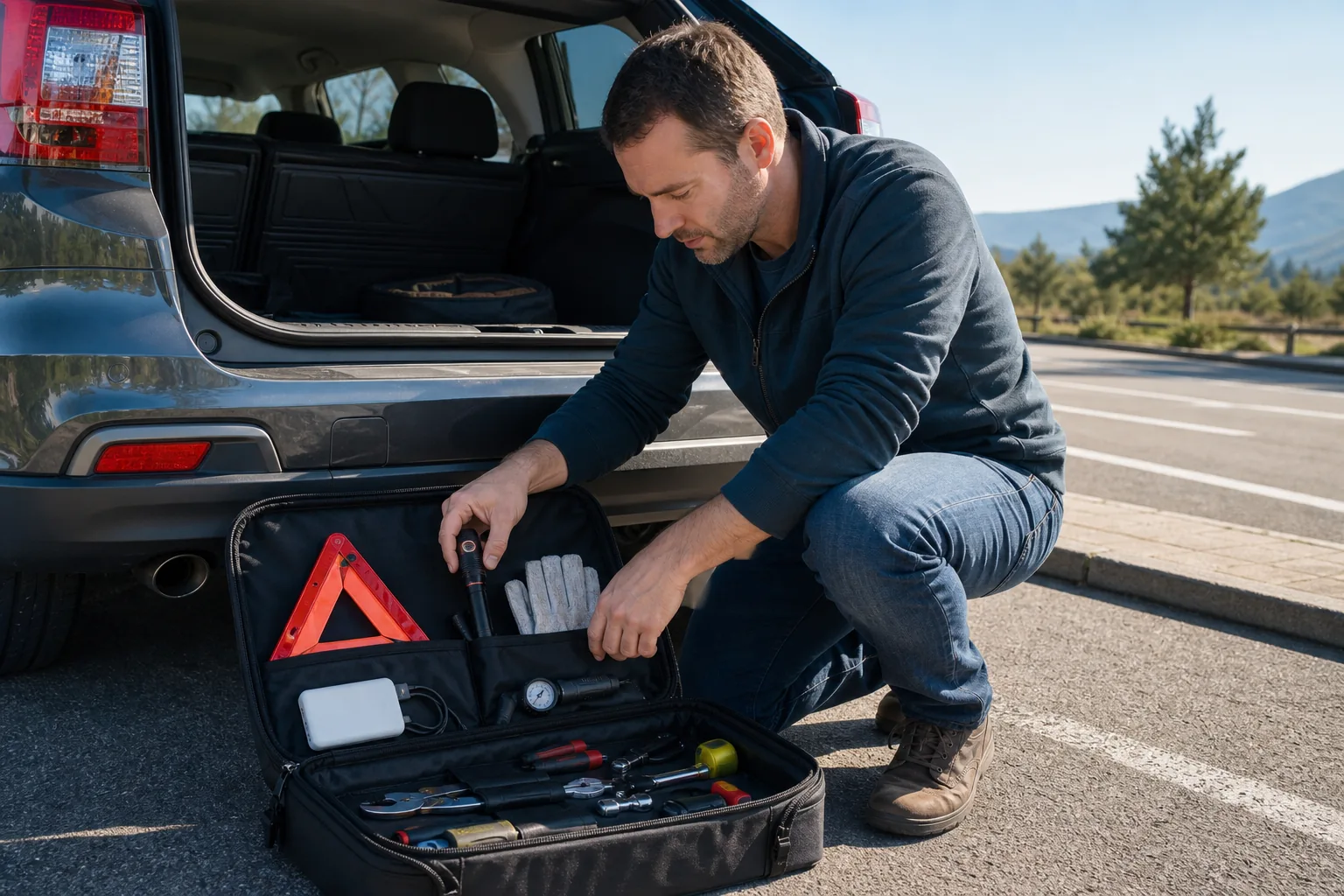
A roadside kit should support visibility, communication, and simple approved tasks—not encourage risky repairs beside traffic.
Read buying guide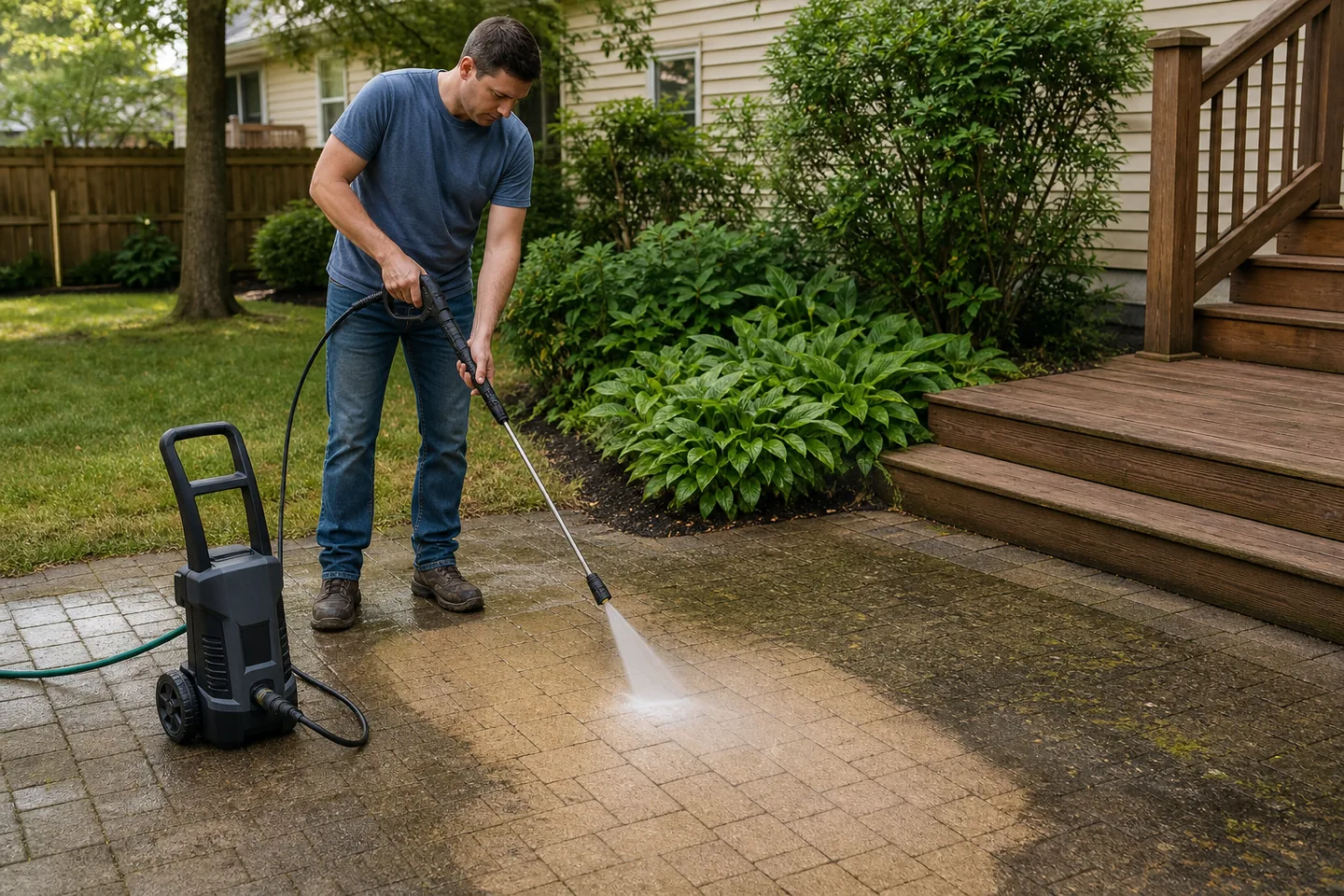
Cleaning power must match the surface, nozzle, distance, and technique—not just the largest pressure number.
Read buying guide
The shortest durable hose that reaches the work is usually easier to carry, drain, and store.
Read buying guide
Sharp bypass pruners and correctly sized loppers cover more yard work than one overloaded cutting tool.
Read buying guide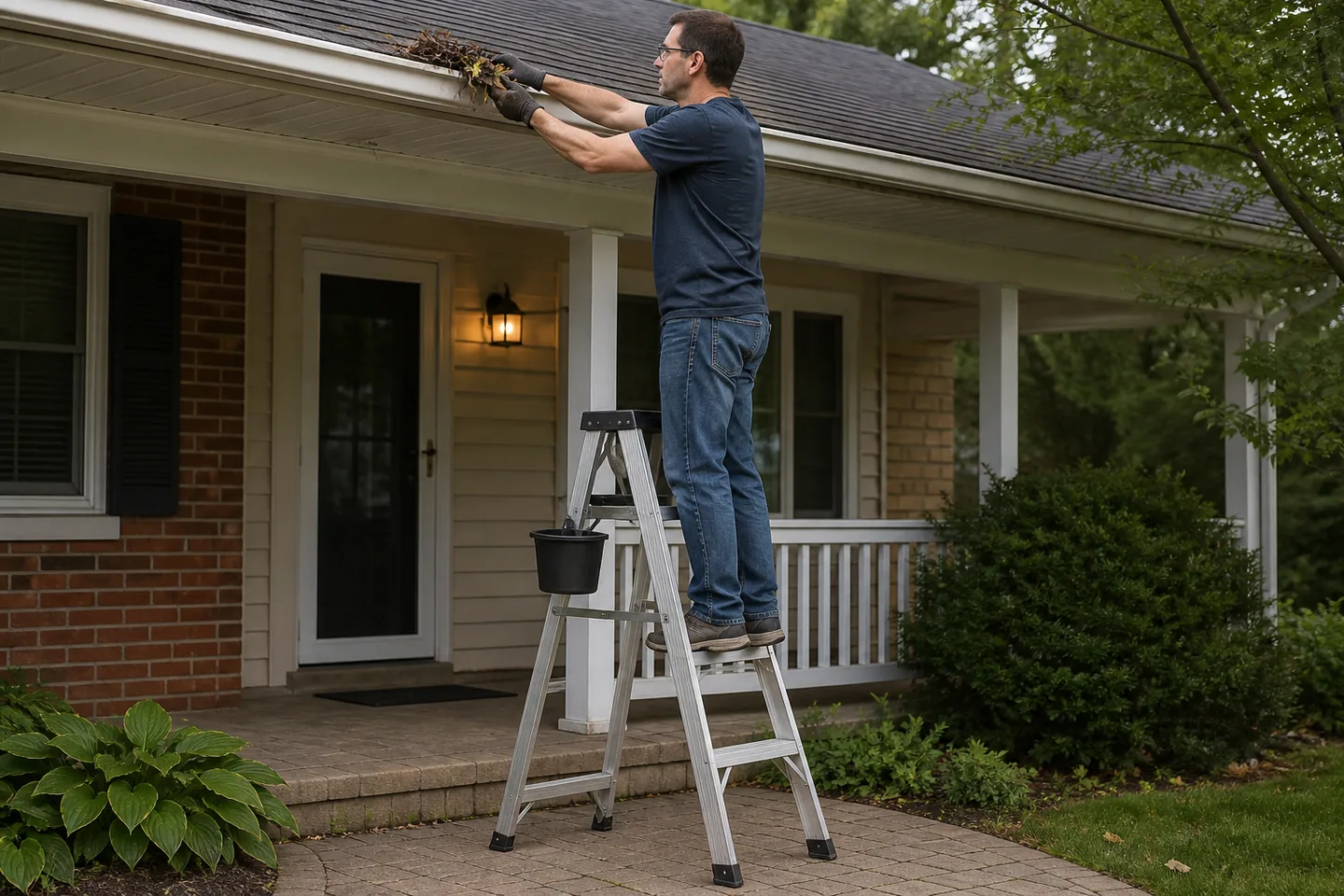
The correct height lets you work from an approved step without stretching or standing on the top cap.
Read buying guide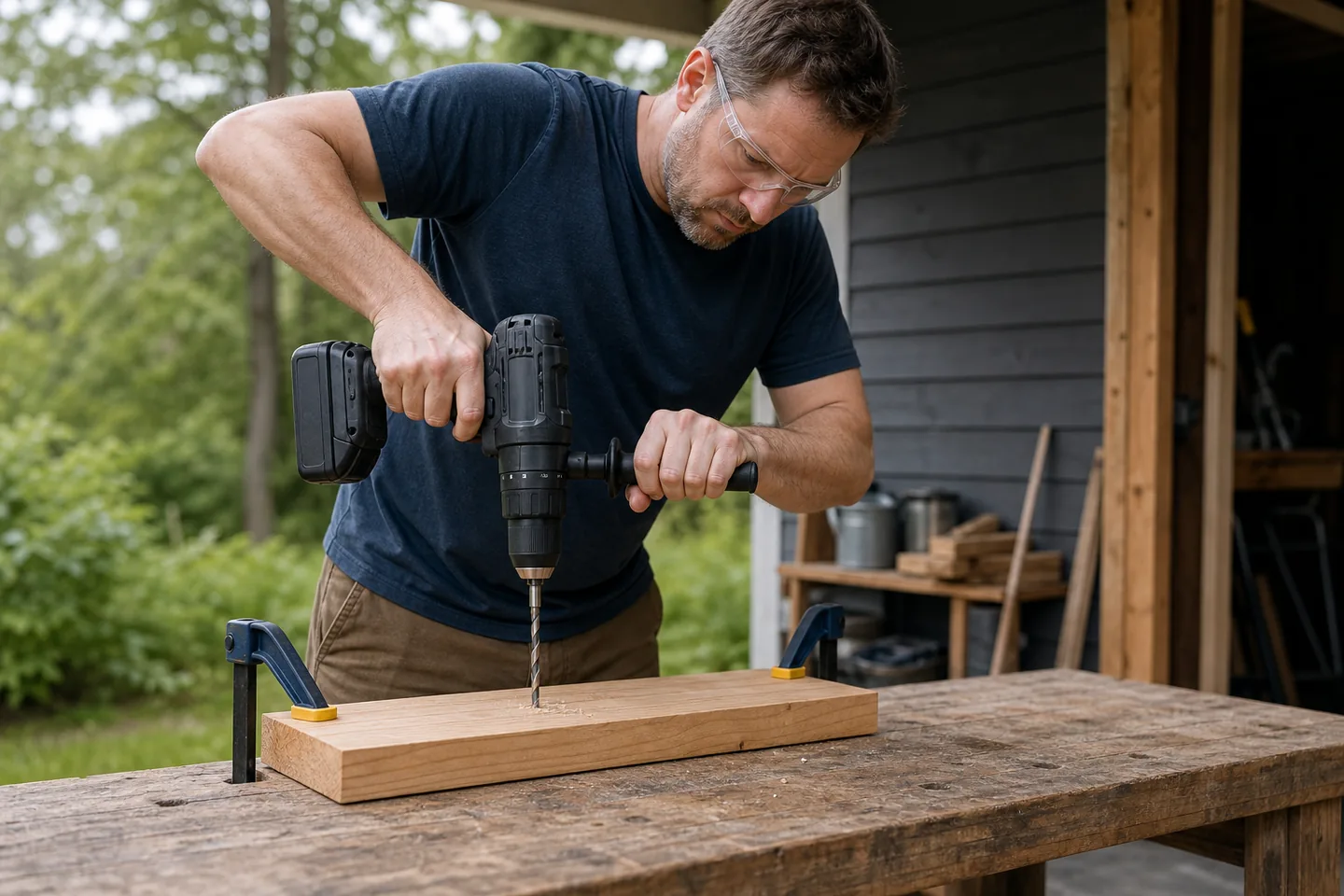
Eye protection works only when it fits comfortably, remains clear, and matches the hazard.
Read buying guide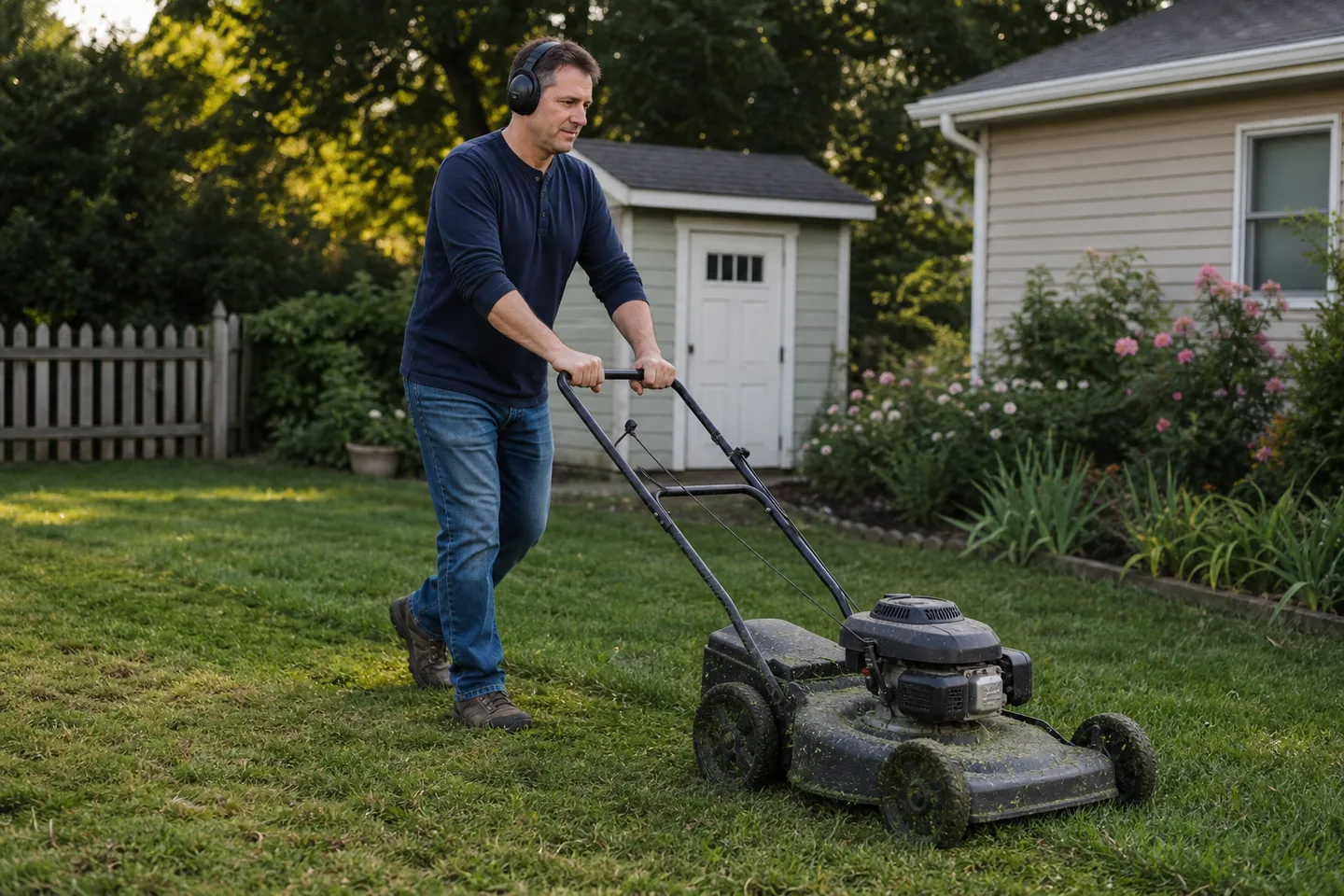
The best hearing protection is correctly rated, fits with other safety gear, and is worn for the entire noisy task.
Read buying guide
Comfortable padding that stays in place can make repeated low work easier without damaging finished surfaces.
Read buying guide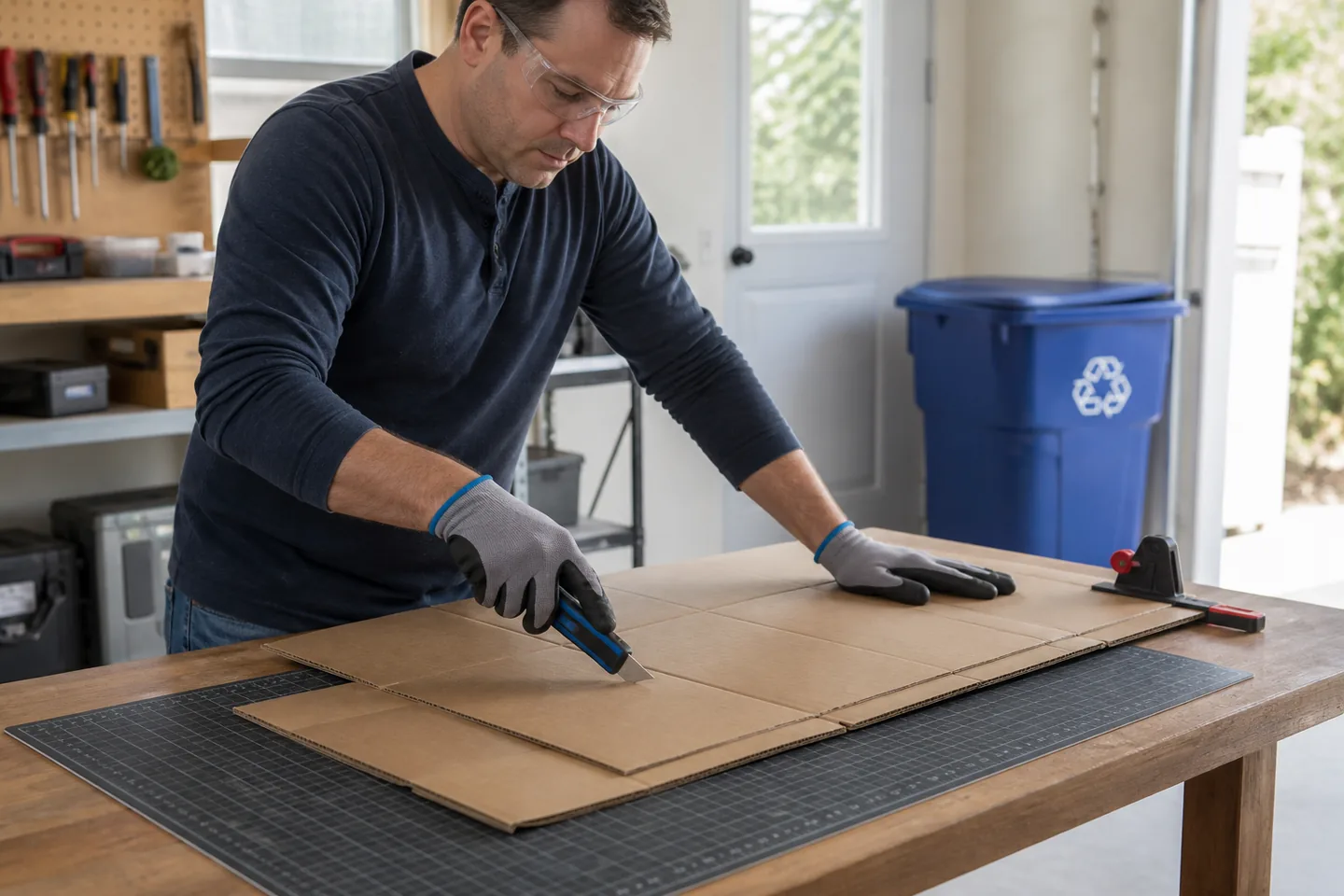
A secure blade lock and easy replacement matter more than forcing one dull blade through every material.
Read buying guide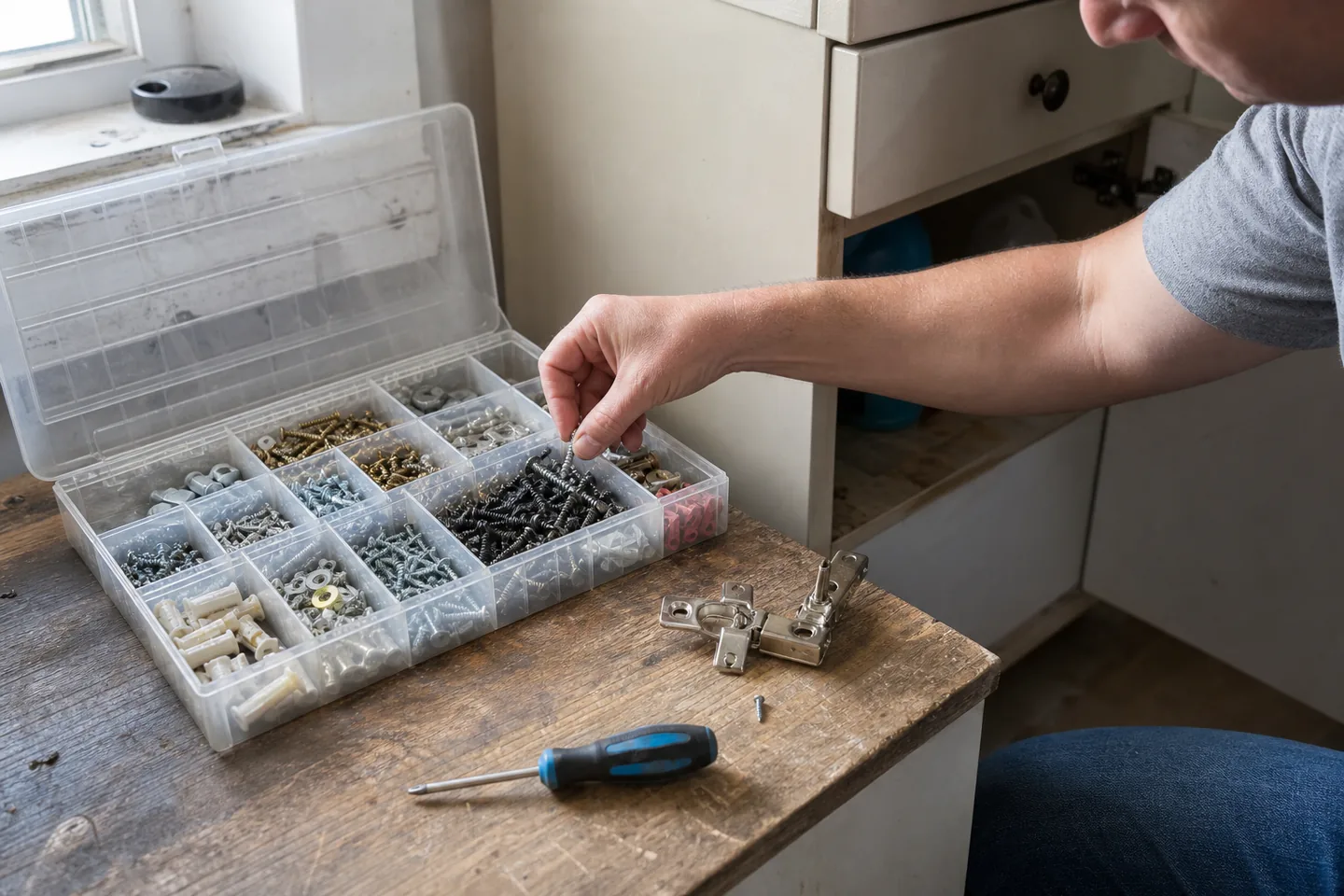
Visible labeled compartments turn leftover hardware into a future resource instead of an anonymous jar.
Read buying guide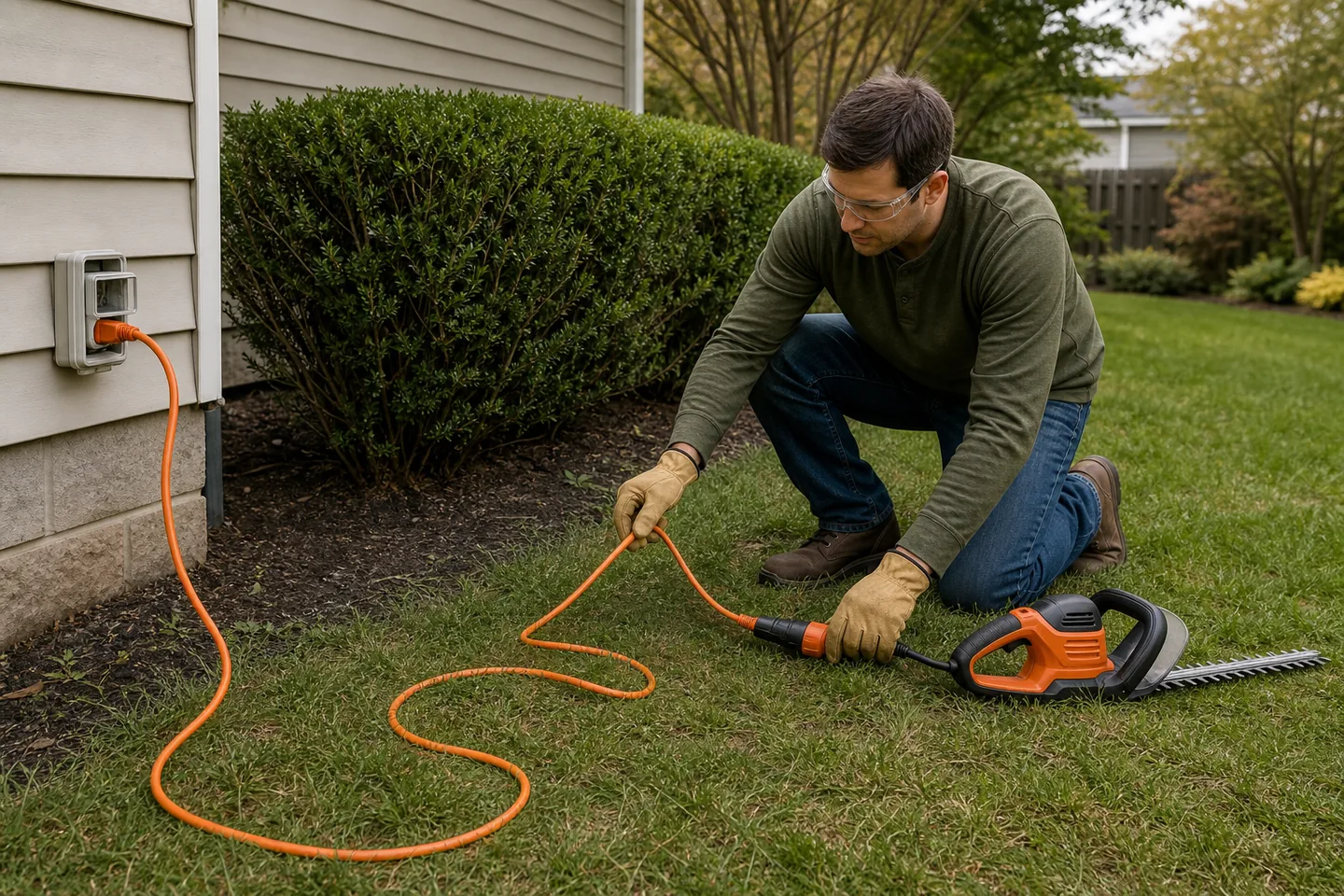
Cord gauge, rating, length, and environment must match the connected tool and its instructions.
Read buying guide